
 Search
What Are the Different Types of Socket Wrenches?
Socket wrench tools come in several distinct types, primarily categorized by their drive size: 1/4", 3/8", and 1/2". Each drive size is engineered for a specific torque range and application — and using the wrong one leads to stripped fasteners, broken tools, or inefficient work. Beyond drive size, socket wrenches also differ by mechanism, socket depth, and whether they're designed for hand use or power tools. This guide covers every major type so you can select the right socket wrench tool for the job at hand.
Understanding Drive Size: The Foundation of Socket Wrench Selection
The drive size refers to the square peg on the ratchet head that connects to the socket. It is the single most important specification when choosing a socket wrench tool because it determines how much torque the tool can safely transmit. Drive sizes are standardized across the industry, which means sockets and ratchets from different manufacturers are generally interchangeable within the same drive size.
The three most common drive sizes for general use are 1/4", 3/8", and 1/2". Larger sizes — 3/4" and 1" — exist for industrial and heavy equipment applications but are less commonly found in standard toolboxes. Understanding the torque capability and typical use case of each drive size is the starting point for building a functional socket wrench collection.
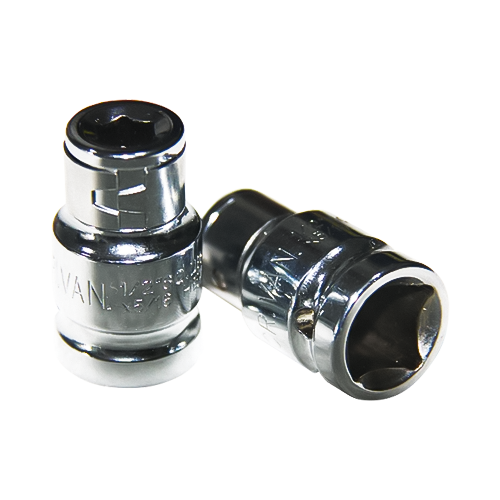
1/4" DR. Universal Socket Wrench Tool — Precision for Small Fasteners
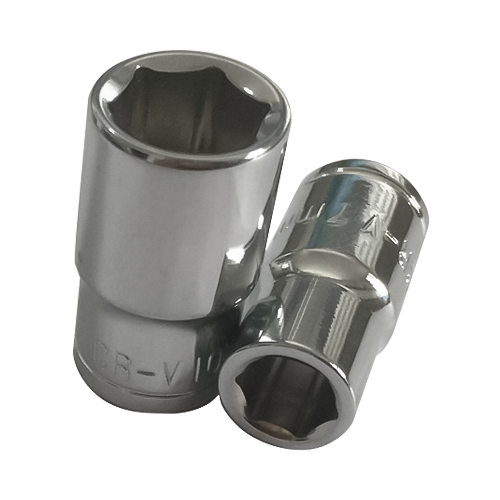
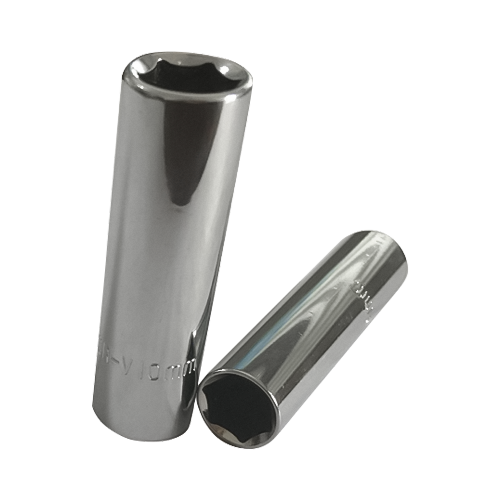
The 1/4" drive socket wrench tool is the smallest and most precise of the three primary drive sizes. It is built for low-torque applications where control matters more than raw turning power. The compact head size allows access to tight spaces that larger ratchets cannot reach.
Typical Applications
- Electronics assembly and small appliance repair
- Dashboard and interior trim fasteners in automotive work
- HVAC and plumbing fittings with small hex bolts
- Bicycle maintenance and precision equipment assembly
A 1/4" drive ratchet typically handles fasteners ranging from 4mm to 13mm in metric sizing, or roughly 5/32" to 1/2" in SAE. The torque range is generally under 30 ft-lbs, making it unsuitable for structural fasteners but ideal for precision assembly work where over-tightening is a real risk.
The term "universal socket wrench tool" in the 1/4" category often refers to sets that include flex-head ratchets, universal joints, and extension bars — giving the user maximum adaptability for work in confined or angled spaces. A quality 1/4" DR. universal socket wrench tool set typically includes 20 to 40 pieces, combining both metric and SAE sockets with various accessories.
Key Features to Look For
- Fine-tooth ratchet mechanism: 72-tooth or higher ratchets allow tighter swing arcs — critical in confined spaces
- Flex-head capability: Allows the ratchet head to pivot for angled access
- Chrome vanadium construction: Provides adequate strength without excessive weight at this scale
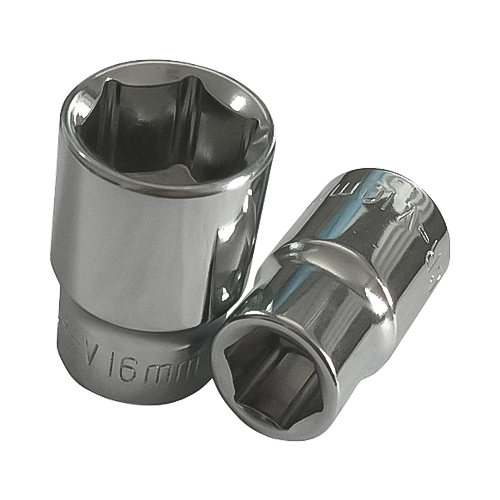
3/8" DR. Metric Socket Wrench Tool — The Versatile Middle Ground
The 3/8" drive metric socket wrench tool is widely regarded as the most versatile option in any toolkit. It bridges the gap between the light precision of 1/4" and the brute-force capability of 1/2", making it the drive size most mechanics reach for first. Industry surveys consistently show that 3/8" drive tools account for over 50% of ratchet usage in general automotive repair environments.
Typical Applications
- Engine bay fasteners — valve covers, alternators, water pumps
- Brake caliper bolts and suspension components
- General machinery maintenance and assembly
- Plumbing fixtures and structural hardware in construction
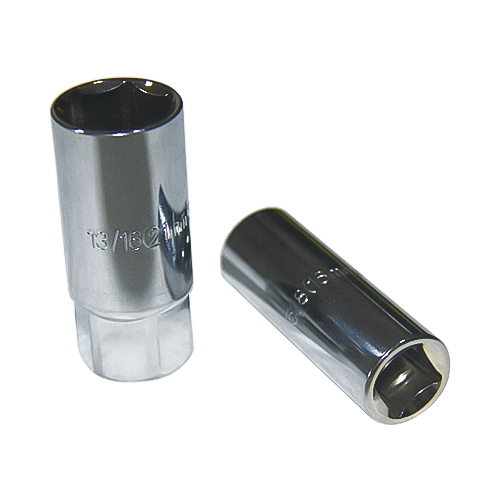
A standard 3/8" DR. metric socket wrench tool covers fasteners from 8mm to 22mm, which encompasses the vast majority of bolts and nuts found in passenger vehicle engines and drivetrains. The torque capacity typically ranges from 30 to 100 ft-lbs, sufficient for most under-hood tasks without the risk of snapping smaller fasteners.
A high-quality 3/8" metric socket wrench tool set usually includes both shallow and deep sockets, a ratchet handle, a breaker bar, and extension bars of varying lengths. Sets configured specifically for metric sizing are particularly valuable for technicians working on European and Asian vehicles, where metric fasteners dominate across virtually 100% of hardware.
Key Features to Look For
- Reversible ratchet mechanism: Allows switching between tightening and loosening without removing the socket
- 72-tooth or finer ratchet: Especially important when working in tight engine compartments
- Deep socket inclusion: Essential for reaching recessed bolts behind components
- Chrome vanadium (Cr-V) steel: The industry standard material at this drive size for hand-use tools
1/2" DR. Socket Wrench Tool — Maximum Torque for Heavy-Duty Work
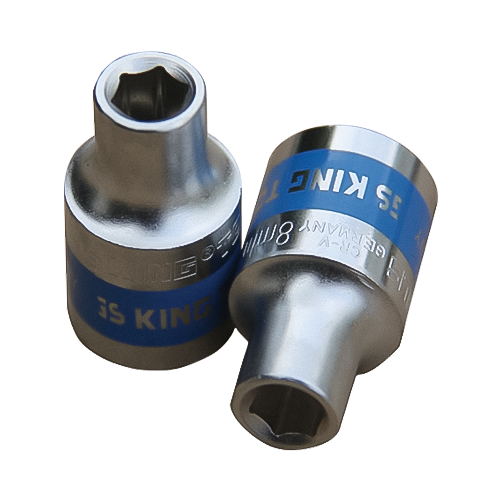
The 1/2" drive socket wrench tool is the go-to choice for high-torque applications. Where 3/8" drive tools can bend or fail under extreme loads, the 1/2" drive is built for sustained heavy use — wheel lug nuts, suspension fasteners, exhaust bolts, and large structural hardware are all within its intended range.
Typical Applications
- Wheel lug nuts — typically torqued to 80–120 ft-lbs on passenger vehicles
- Suspension and steering components
- Transmission and differential fasteners
- Heavy construction equipment maintenance
- Industrial machinery assembly requiring 100–250 ft-lbs or more
The 1/2" drive is also the standard interface for impact socket wrench tools. When paired with a pneumatic or electric impact wrench, 1/2" drive sockets must be rated for impact use — made from chrome molybdenum (Cr-Mo) steel with thicker walls and a black phosphate finish to absorb rotational shock. Using standard chrome-finished hand sockets with an impact wrench can cause the socket to shatter under load.
A professional 1/2" DR. socket wrench tool set typically covers sizes from 10mm to 32mm in metric, or 3/8" to 1-1/4" in SAE, and may include 25 or more pieces with both deep and shallow socket configurations.
Key Features to Look For
- Cr-Mo steel for impact use: Do not substitute Cr-V sockets when using power tools
- Spring-loaded ball detent: Keeps sockets securely seated during high-torque operation
- Breaker bar compatibility: Long-handled breaker bars increase torque leverage for seized fasteners
- Black phosphate finish on impact sockets: Resists corrosion in high-heat, high-humidity environments
Drive Size Comparison at a Glance
| Specification | 1/4" Drive | 3/8" Drive | 1/2" Drive |
|---|---|---|---|
| Torque Range | Up to 30 ft-lbs | 30–100 ft-lbs | 100–250+ ft-lbs |
| Typical Socket Range | 4mm–13mm | 8mm–22mm | 10mm–32mm |
| Typical Material | Cr-V Steel | Cr-V Steel | Cr-V / Cr-Mo (impact) |
| Impact-Compatible | Rarely | Sometimes | Yes (with Cr-Mo sockets) |
| Best Use Case | Precision / small fasteners | General automotive repair | Heavy-duty / power tools |
| Ideal User | Electronics / DIY | Mechanic / all-round tech | Professional / heavy shop |
Types of Socket Wrench Mechanisms
Beyond drive size, the mechanical design of the socket wrench itself affects how it performs in real work scenarios. The four most common mechanisms are:
Ratcheting Socket Wrench
The most common type, featuring a toothed gear mechanism that allows the handle to move freely in one direction while locking in the other. A 72-tooth ratchet requires only a 5-degree arc to advance — critical when working in cramped engine bays. Most ratchets include a directional switch to toggle between tightening and loosening.
Breaker Bar
A non-ratcheting handle designed purely for maximum torque. Breaker bars have a swiveling head for angle adjustment and longer handles — typically 18" to 24" — that multiply mechanical leverage. They are the correct tool for initially breaking loose seized or heavily torqued fasteners before switching to a ratchet.
T-Handle and Spinner Handle
T-handles allow quick spinning of fasteners that are already loose, speeding up repetitive removal tasks. Spinner handles operate similarly but with a different grip profile. These are particularly useful in assembly-line environments or any scenario involving high-volume fastener installation.
Flex-Head Ratchet
A ratcheting tool with a pivoting head that can be locked at multiple angles. The flex-head design significantly extends reach into angled or obstructed spaces, making it especially useful in conjunction with a 1/4" DR. universal socket wrench tool for interior vehicle work and electronics applications.
Socket Types That Work With These Wrenches
Understanding socket wrench tools also means understanding the sockets themselves. The same drive-size ratchet can accept multiple socket variants:
- Shallow (standard) sockets: Better torque transfer and stability on exposed fasteners
- Deep sockets: Extended length for recessed bolts — spark plugs, wheel studs, and countersunk fasteners
- Impact sockets: Thicker walls, Cr-Mo construction, black finish — designed for use with impact wrenches only
- Hex (Allen) sockets: For internal hex fasteners found on modern vehicles and machinery
- Torx sockets: Star-shaped drive pattern common in European vehicles and electronics assemblies
- Universal (wobble) sockets: Built-in flex angle of 15–30 degrees for off-axis fastener access without a separate universal joint
How to Choose the Right Socket Wrench Tool for Your Work?
The right choice comes down to three factors: the size of the fasteners you work with most often, the torque required, and the space available to operate the wrench. Use this as a quick decision guide:
- Primarily small fasteners under 13mm with limited torque: A 1/4" DR. universal socket wrench tool set is your best choice — lightweight, precise, and packaged with the accessories needed for tight-space work.
- Mixed automotive and mechanical work on metric vehicles: A 3/8" DR. metric socket wrench tool set covers the widest range of everyday tasks. If you buy only one set, make it this one.
- Heavy-duty work, wheel service, or power tool use: A 1/2" DR. socket wrench tool — particularly one that includes impact-rated sockets — is non-negotiable for sustained high-torque applications.
- Professional shop covering all scenarios: All three drive sizes, supplemented by breaker bars and flex-head ratchets, provide complete coverage across virtually every fastener situation encountered in automotive, construction, and industrial settings.
Many experienced mechanics recommend starting with a quality 3/8" set as the core, then adding a 1/2" impact-rated set for wheel and suspension work, and finally incorporating a 1/4" set for precision tasks. This staged approach avoids redundancy while building genuine capability over time.
Source Quality Socket Wrench Tools from a Trusted Manufacturer
Whether you're stocking a retail tool range, outfitting a fleet of service vehicles, or sourcing OEM-grade tools for distribution, the quality of the socket wrench tool determines how long it lasts and how safely it performs. Shangyu Fuxin Hardware Tools Co., Ltd. manufactures a full range of professional socket wrench tools — including 1/4" DR. universal socket wrench tools, 3/8" DR. metric socket wrench tools, and 1/2" DR. socket wrench tools in both hand-use and impact-rated configurations.
Our products are built to meet international standards with chrome vanadium and chrome molybdenum steel, precision-machined tolerances, and durable finishes suited for professional environments. We support OEM and ODM orders with flexible minimum quantities and custom packaging options.
Contact Shangyu Fuxin Hardware Tools Co., Ltd. today to request a product catalog, technical specifications, or a custom quotation for your socket wrench tool requirements.
Related products
-
1/2”DR.DEEP DRIVE SOCKETWRENCH TOOL
-
3/8"DR. FORGED DEEP SOCKET WRENCH TOOL
-
1/4"DR. UNIVERSAL SOCKET WRENCH TOOL
-
1/4"DR.DEEP SOCKET WRENCH TOOL WITH STORAGE BOX
-
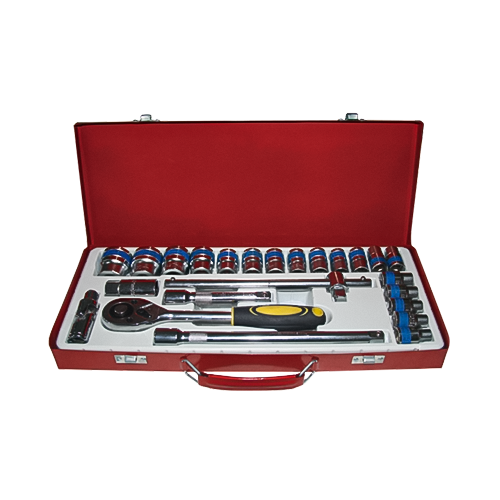
24PCS REVERSIBLE RATCHET HANDLE SOCKET SET (1/2")
-
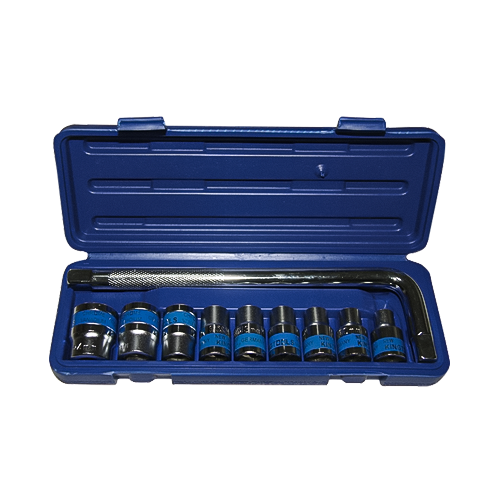
10PCS DRIVE METRIC SOCKET SET (1/2")
-
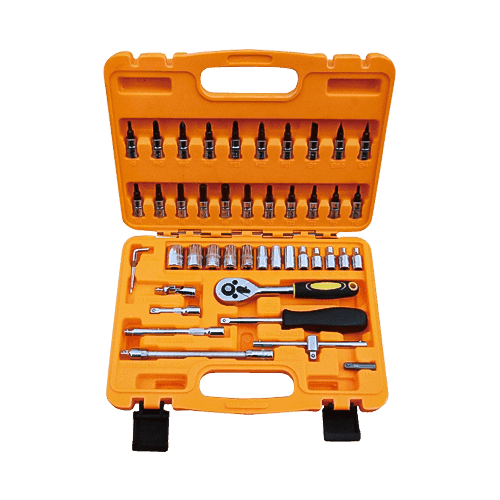
46PCS FLEXIBLE SOCKET SET (1/4")
-
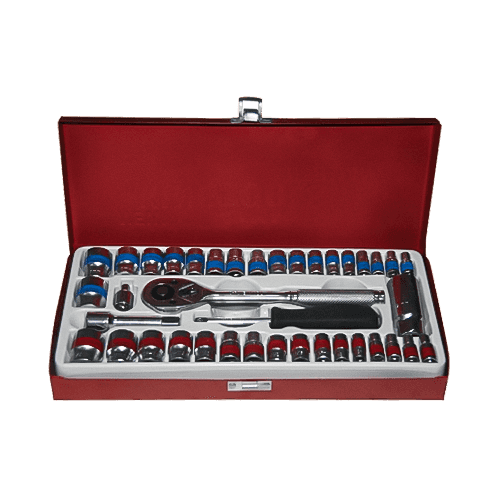
40PCS SOCKET METAL CASE SET (1/4"&3/8")
-
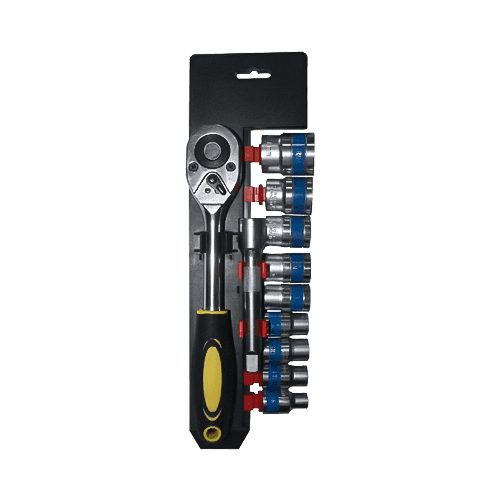
11PCS SOCKET SET (1/2")
-
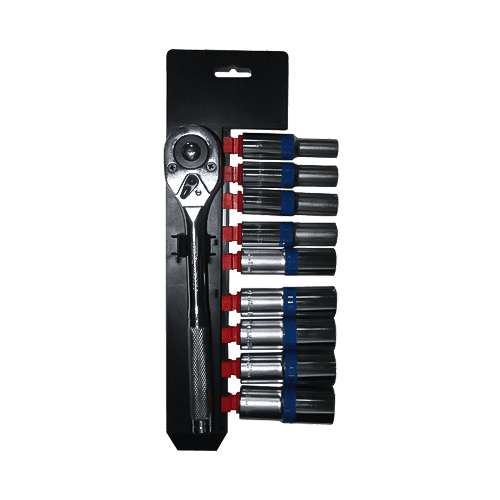
10PCS HAND DRIVE SOCKET SET (1/2")
-
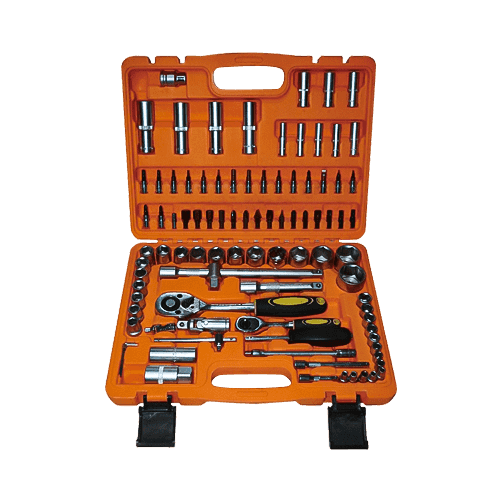
94PCS GENERAL MAINTENANCE SOCKET SET (1/4"&1/2")
-
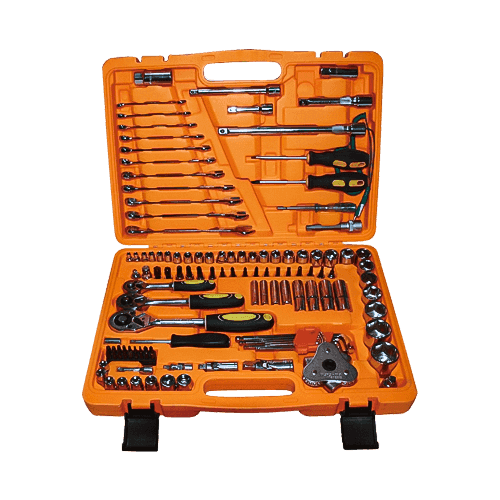
121PCS COMPLETE SOCKET SET (1/4"&1/2"&3/8")
 +86 137 360 111 56
 Lianxing Village, Dongguan Street, Shangyu District, Shaoxing City, Zhejiang Province