
 Search
How to Select the Right Socket Wrench Tool for Different Fasteners?
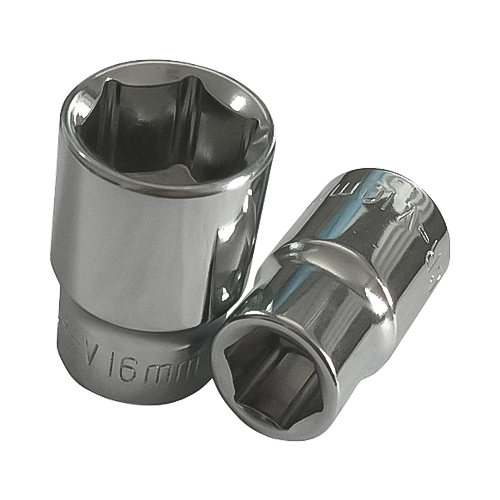
Selecting the right socket wrench tool comes down to four variables: drive size, socket depth, fastener type, and required torque. Get any one of these wrong and you risk damaging the fastener, breaking the tool, or worse — an injury from a slipped socket under load. The most common mistake is using a standard shallow socket where a deep socket wrench tool is needed, or applying a 3/8" drive ratchet to a fastener that demands the sustained torque of a 1/2" drive. This guide gives you a clear, practical framework for matching your socket wrench tool to the fastener in front of you.
Start With Drive Size: Matching Torque to the Fastener
Drive size is the first decision to make. It determines how much torque the socket wrench tool can safely transmit from the handle to the fastener. Using an undersized drive on a high-torque fastener risks snapping the ratchet mechanism or rounding the socket drive. Using an oversized drive on a delicate fastener risks over-tightening and thread damage.
The three standard drive sizes cover the full spectrum of common fastening tasks:
- 1/4" drive: Best for fasteners requiring under 30 ft-lbs — small bolts, interior trim, electronics, and precision assembly work
- 3/8" drive: The most versatile option, handling 30–100 ft-lbs — ideal for engine bay work, brake components, and general mechanical repair
- 1/2" drive: Built for 100–250+ ft-lbs — wheel lug nuts, suspension bolts, transmission fasteners, and any heavy-duty application
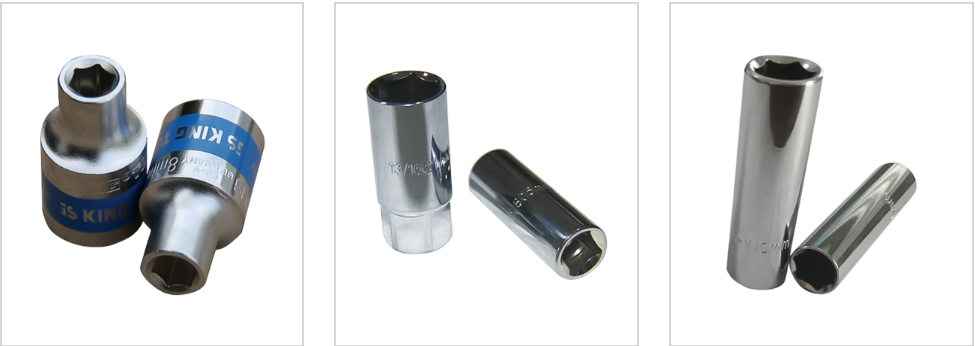
A practical rule: if the fastener specification calls for more than 80 ft-lbs of torque, move to a 1/2" drive socket wrench tool. For fasteners in the 10–25 ft-lb range, a 1/4" drive gives you better control and reduces over-tightening risk. Everything in between is typically well-served by a 3/8" drive.
When to Use a Deep Socket Wrench Tool vs. a Shallow Socket
Socket depth is one of the most overlooked selection criteria — and one of the most consequential. A shallow socket engages a fastener head that sits flush or proud of the surrounding surface. A deep socket wrench tool is required whenever the fastener head is recessed below the surface, sits on a long bolt stud, or cannot be fully accessed without extra depth.
Situations That Require a Deep Socket Wrench Tool
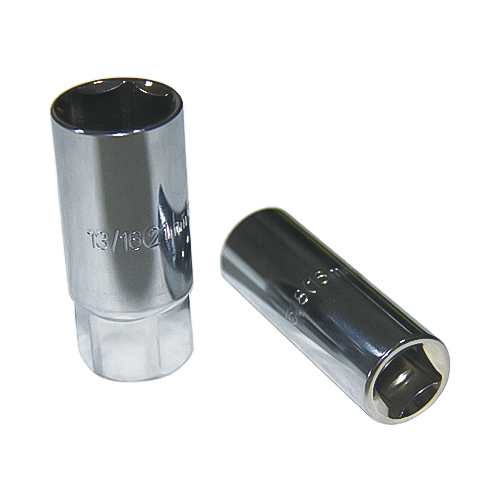
- Spark plugs: Recessed deep inside the cylinder head — a deep socket is the only option, typically 5/8" or 13/16" in diameter with a rubber insert to protect the ceramic insulator
- Wheel lug nuts on extended studs: Many aftermarket wheels use longer studs where shallow sockets bottom out before fully engaging the nut
- Nuts on long threaded rods: Common in suspension assemblies, HVAC mounting brackets, and structural hardware
- Recessed fasteners in engine blocks: Oil drain plugs and mounting bolts often sit below surrounding cast surfaces
- Battery terminal bolts: Often countersunk with a long post that extends through the terminal connector
Situations Where Shallow Sockets Perform Better
- Fasteners fully exposed and flush-seated — shallow sockets provide more stable torque transfer with less lateral wobble
- Tight vertical spaces where a deep socket adds height that prevents the ratchet from fitting
- High-torque applications where socket rigidity is critical — deep sockets flex slightly more under extreme load
Deep socket wrench tools are typically 40–50% longer than their shallow counterparts. For example, a standard 17mm shallow socket measures approximately 29mm in length, while a deep 17mm socket extends to around 50mm. That extra length is what makes the difference between reaching a fastener cleanly and struggling with extensions and adapters.
Fastener Type Determines Socket Profile
Not all fasteners share the same external profile. Selecting the correct socket wrench tool also means matching the socket's internal geometry to the shape of the fastener head. Using the wrong profile — even one that initially appears to fit — accelerates rounding and can permanently damage a fastener.
Hex (Six-Point) Fasteners
The most common fastener head type across automotive and industrial applications. Six-point sockets engage all six flat sides of the hex head, distributing torque evenly and minimizing rounding risk. Always prefer a six-point socket over a twelve-point for heavily corroded or high-torque fasteners — twelve-point sockets contact only the corners and are more likely to slip under load.
Twelve-Point Fasteners
Twelve-point sockets are compatible with both hex and twelve-point fasteners. Their advantage is that they can engage a fastener at twice as many positions — every 30 degrees instead of every 60 degrees — which helps when working in tight spaces with limited ratchet swing. They are well-suited for clean, accessible fasteners in confined engine bays but should be avoided on corroded hardware.
Torx and Star-Drive Fasteners
Torx fasteners are increasingly common in European vehicles and modern electronics. They require a dedicated Torx socket (labeled T10, T25, T40, etc.) and should never be substituted with a hex socket, even when the fit feels close. Torx sockets are available in both shallow and deep configurations, making them fully compatible with standard socket wrench tools across all drive sizes.
Internal Hex (Allen Head) Fasteners
Fasteners with an internal hex recess require hex bit sockets rather than standard external-drive sockets. These are common on caliper bolts, engine cover hardware, and bicycle components. Hex bit sockets mount on standard ratchet drives — a 3/8" drive hex socket set, for example — giving access to high-torque internal hex fasteners without relying on L-key Allen wrenches that lack leverage.
Material and Coating: Hand Use vs. Impact Applications
The material of the socket wrench tool must match how it will be used. This is not merely a quality distinction — it is a safety requirement.
- Chrome vanadium (Cr-V) steel: Standard for hand-use socket wrench tools. Offers an excellent balance of strength and corrosion resistance. Not rated for impact wrench use.
- Chrome molybdenum (Cr-Mo) steel: Required for impact-rated sockets. Thicker walls and higher toughness absorb the rotational shock produced by pneumatic and electric impact wrenches. Always identifiable by their black phosphate finish.
- Polished chrome finish: Found on Cr-V hand sockets — easy to clean and corrosion-resistant in normal shop conditions
- Black phosphate finish: Found on Cr-Mo impact sockets — reduces surface oxidation in high-humidity and high-heat environments
Using a standard Cr-V socket on an impact wrench is a serious hazard. Cr-V sockets can shatter under impact loads, sending fragments at high velocity. Always verify that sockets used with power tools are impact-rated and marked accordingly.
Socket Wrench Tool Selection by Common Fastener Scenario
| Fastener / Task | Drive Size | Socket Depth | Material | Notes |
|---|---|---|---|---|
| Spark plugs | 3/8" | Deep | Cr-V | Use rubber insert to protect ceramic |
| Wheel lug nuts | 1/2" | Deep or Shallow | Cr-Mo (impact) | Deep required for extended studs |
| Brake caliper bolts | 3/8" | Shallow | Cr-V | Often internal hex — use hex bit socket |
| Dashboard / trim screws | 1/4" | Shallow | Cr-V | Low torque — avoid over-tightening |
| Suspension bolts | 1/2" | Shallow or Deep | Cr-V or Cr-Mo | Use breaker bar for initial loosening |
| Engine cover / valve cover | 3/8" | Deep | Cr-V | Bolts often recessed in cast housing |
| Structural hardware (construction) | 1/2" | Deep | Cr-Mo (impact) | Nuts on long threaded rods are common |
Extensions and Accessories: Extending Reach Without Losing Control
Even with the correct socket depth, some fasteners are positioned in locations that make direct socket-to-ratchet connection impractical. Extension bars, universal joints, and adapters give the socket wrench tool the flexibility to reach awkward positions without compromising torque delivery.
Extension Bars
Available in lengths from 2" to 18", extension bars insert between the ratchet drive and the socket. Shorter extensions (2"–5") are best for minor reach adjustments where rigidity matters. Longer extensions (10"+) are suited for deep engine work but introduce more flex — avoid pairing a long extension with a deep socket wrench tool on very high-torque applications, as the combined flex can cause the socket to disengage mid-turn.
Universal Joints
A universal joint (U-joint) allows the socket to operate at an angle — typically up to 45 degrees from the ratchet axis. This is invaluable when a fastener is visible but not directly accessible. However, torque capacity is reduced at extreme angles; for heavily torqued fasteners, try to minimize the angle or use a flex-head ratchet instead, which maintains better force transfer.
Drive Adapters
Adapters allow sockets of one drive size to be used with a ratchet of another. For example, a 3/8" to 1/2" adapter lets you use a 1/2" socket on a 3/8" ratchet. Use adapters sparingly and never for high-torque applications — the adapter introduces a weak point in the drive chain that can fail under load.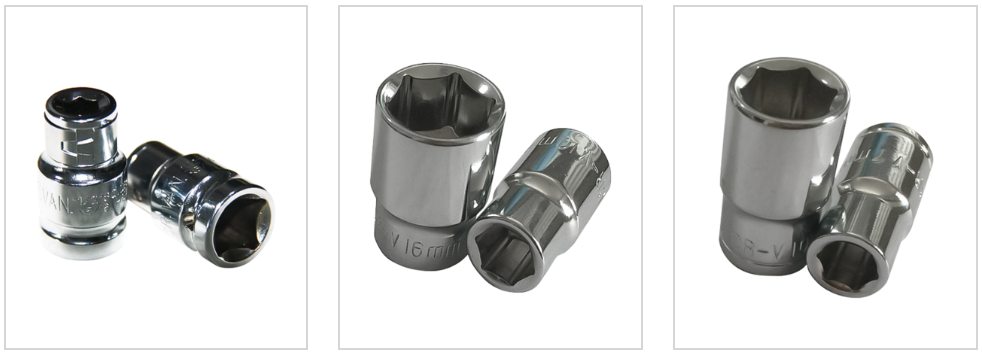
Practical Checklist: Selecting a Socket Wrench Tool for Any Fastener
Run through this sequence before starting any fastening job to ensure you have the right tool selected:
- Identify the fastener size: Measure or reference the vehicle/equipment spec to confirm the correct socket size in mm or SAE fractions
- Determine the required torque: Check the manufacturer's specification — this tells you which drive size is appropriate
- Assess fastener accessibility: Is it recessed? On a long stud? Behind an obstruction? If yes, reach for a deep socket wrench tool and assess whether an extension or universal joint is needed
- Check fastener head profile: Confirm whether it is hex, Torx, twelve-point, or internal hex before selecting the socket profile
- Confirm tool compatibility: If using an impact wrench, ensure the socket is Cr-Mo impact-rated — never substitute a standard Cr-V hand socket
- Inspect the socket before use: Discard any socket with visible cracks, rounding at the corners, or deformation — a compromised socket can fail catastrophically under load
Common Mistakes That Lead to Fastener and Tool Damage
Even experienced mechanics fall into habits that quietly damage tools and fasteners over time. The most frequent errors include:
- Using a shallow socket on a recessed fastener: The socket bottoms out on the surrounding material before fully engaging the nut or bolt head, causing slippage and rounding
- Using a twelve-point socket on a corroded hex fastener: Corner contact accelerates rounding — always use six-point sockets on any fastener that shows rust or is seized
- Applying impact power through a drive adapter: Adapters are not rated for impact torque and can fracture, sending metal fragments into the work area
- Pairing a deep socket wrench tool with a long extension on high-torque fasteners: Excessive length creates leverage that can pop the socket off the fastener mid-rotation, especially on impact tools
- Ignoring worn sockets: A socket that has lost 0.2–0.3mm of internal dimension due to wear will no longer hold a fastener securely and should be replaced
Partner With a Reliable Socket Wrench Tool Manufacturer
For distributors, retailers, and procurement teams sourcing socket wrench tools at scale, manufacturing quality directly affects the reliability and safety of every tool in the field. Shangyu Fuxin Hardware Tools Co., Ltd. produces a comprehensive range of professional socket wrench tools — including standard shallow socket sets, deep socket wrench tools, impact-rated sets, and complete ratchet kits across 1/4", 3/8", and 1/2" drive sizes.
Contact Shangyu Fuxin Hardware Tools Co., Ltd. today to request a full product catalog, technical data sheets, or a custom quotation tailored to your sourcing requirements.
Related products
-
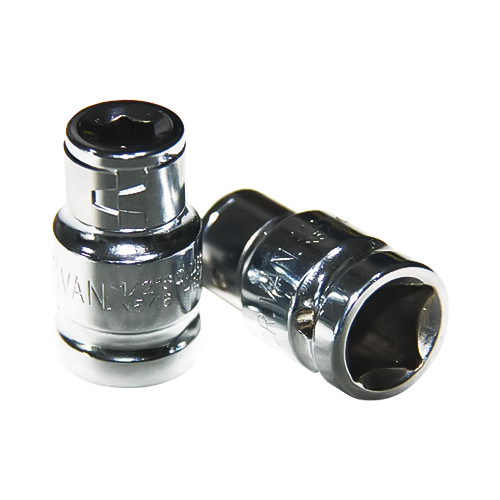
1/2”DR. SOCKET WRENCH TOOL
-
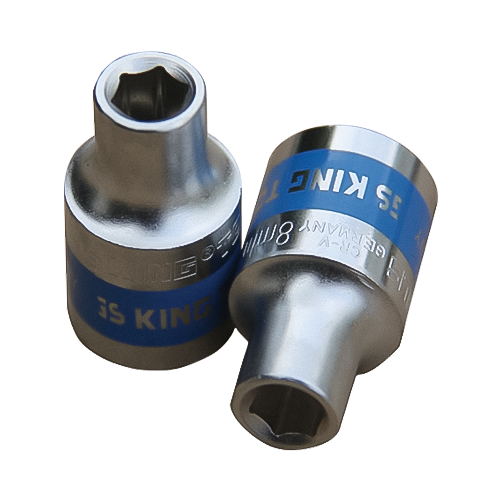
1/2”DR.DEEP DRIVE SOCKETWRENCH TOOL
-
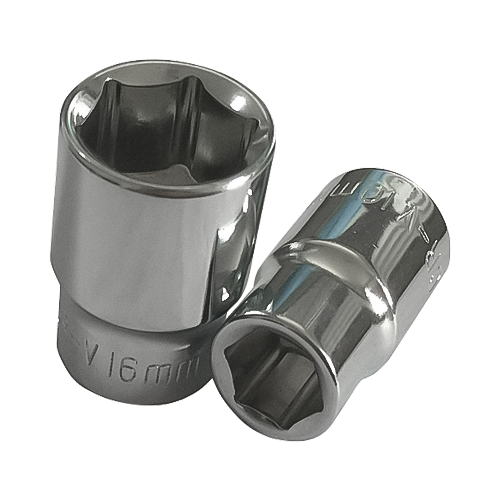
3/8"DR. METRIC SOCKET WRENCH TOOL
-
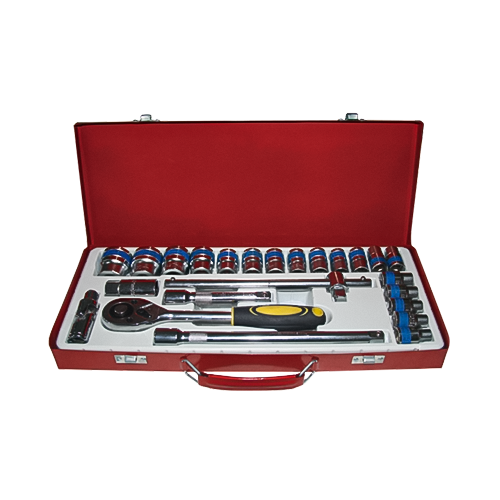
24PCS REVERSIBLE RATCHET HANDLE SOCKET SET (1/2")
-
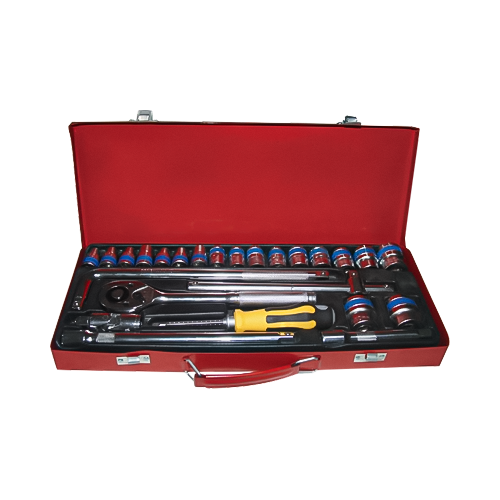
25PCS IMPACT SOCKET SET (1/2”)
-
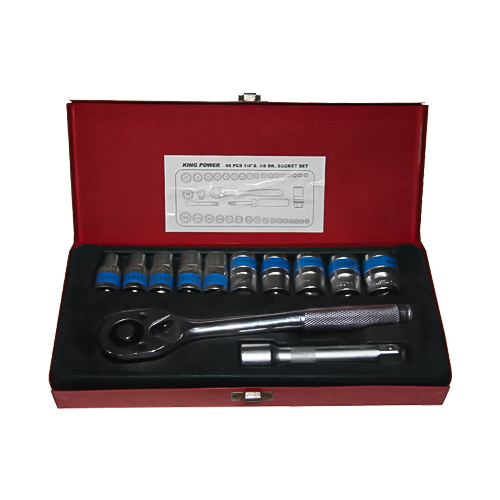
12PCS QUICK RATCHET HANDLE SOCKET SET (1/2")
-
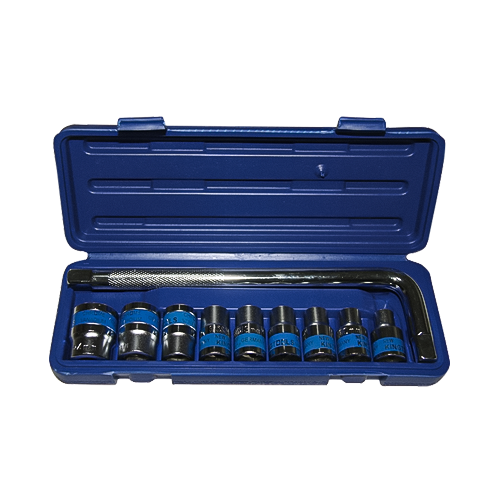
10PCS DRIVE METRIC SOCKET SET (1/2")
-
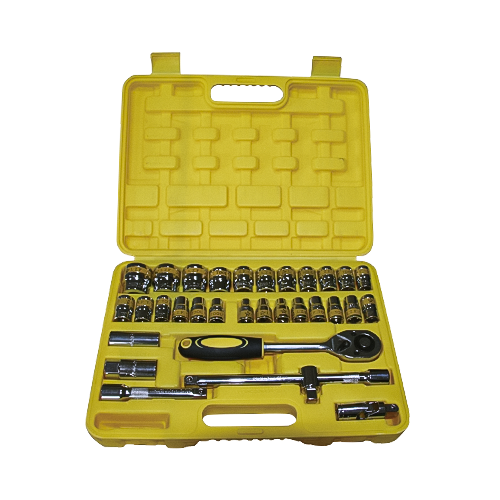
32PCS SOCKET SET(1/2") FOR AUTOMOBILE
-
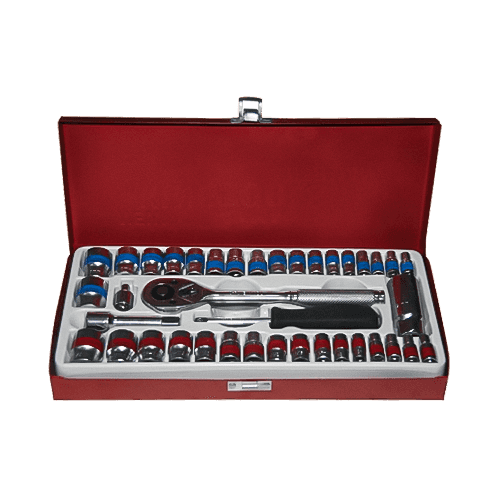
40PCS SOCKET METAL CASE SET (1/4"&3/8")
-
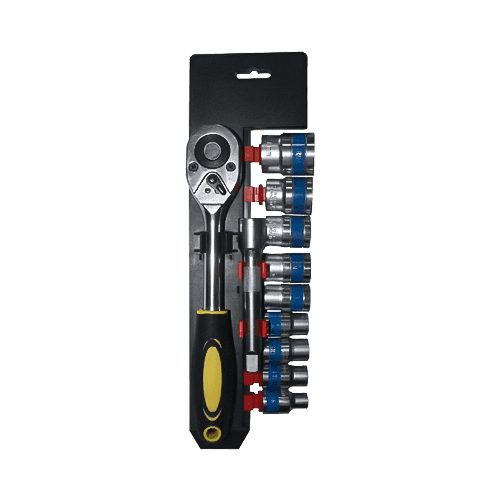
11PCS SOCKET SET (1/2")
-
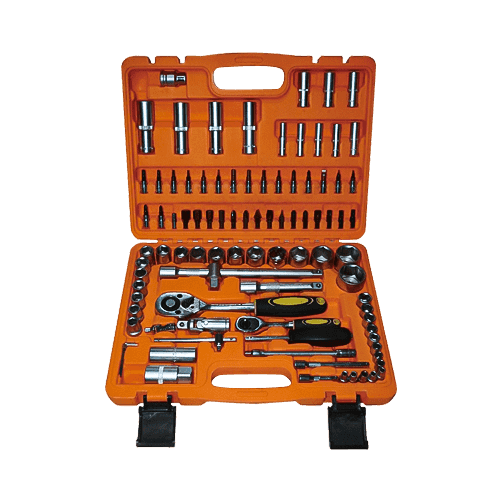
94PCS GENERAL MAINTENANCE SOCKET SET (1/4"&1/2")
-
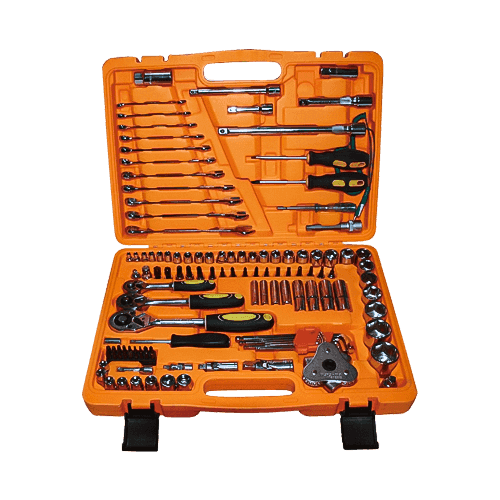
121PCS COMPLETE SOCKET SET (1/4"&1/2"&3/8")
/ Categories
/ Recent News
-
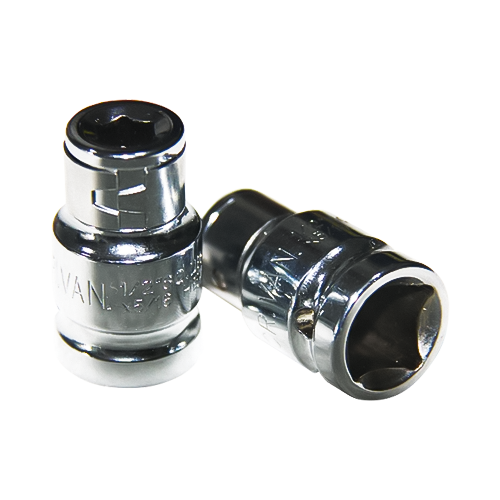
How to use the socket wrench tool correctly?
Jun 04, 2024
-
-
 +86 137 360 111 56
 Lianxing Village, Dongguan Street, Shangyu District, Shaoxing City, Zhejiang Province