
 Search
Industry News
Home / News / Industry News / Why is the 1/2” DR. DEEP DRIVE SOCKET WRENCH TOOL the Ultimate Choice for Heavy-Duty Mechanical Work?

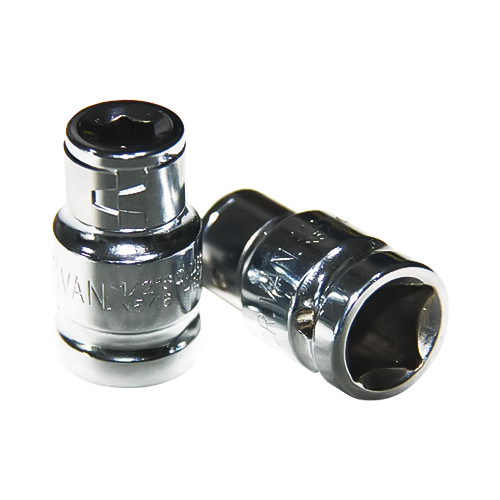
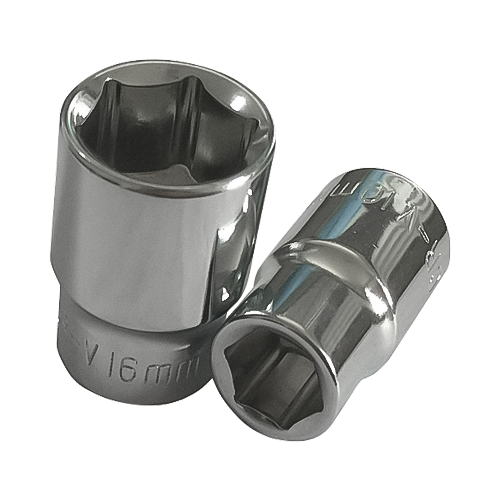
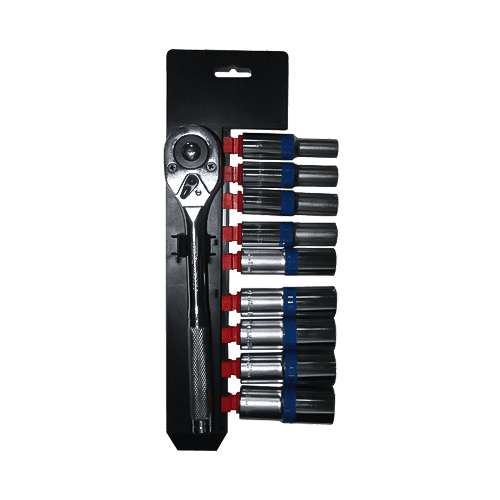
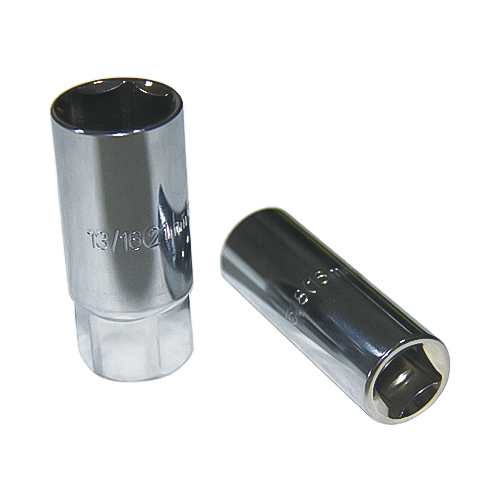
In the demanding world of mechanical repair and industrial assembly, the efficiency of a project often hinges on the quality of the interface between the tool and the fastener. The 1/2” DR. DEEP DRIVE SOCKET WRENCH TOOL has emerged as a critical asset for professionals who require a balance of reach, torque, and precision. Unlike standard shallow sockets, the deep-drive configuration allows for the engagement of recessed bolts and extended threaded rods that are common in automotive suspensions and heavy machinery. By focusing on a high-clearance internal geometry and a robust 1/2-inch drive size, this tool provides the necessary leverage to break loose stubborn hardware while maintaining a delicate touch to avoid structural damage.
One of the most frustrating obstacles in any repair job is encountering a fastener that has been rounded off or "stripped" by inferior equipment. The 1/2” DR. DEEP DRIVE SOCKET WRENCH TOOL is specifically engineered to address this risk through superior contact physics.
The risk of stripped screws and damaged fasteners is significantly reduced by the precision-broached hexagonal profile of this wrench. Standard sockets often apply pressure only to the corners of a bolt head, which leads to metal deformation. This deep-drive tool utilizes "off-corner loading" technology. By shifting the pressure points away from the fragile corners and onto the flat sides of the fastener, the tool ensures maximum torque transfer. This design choice is vital when dealing with high-torque applications where a single slip could result in hours of extra work to remove a mangled bolt.
The 1/2-inch drive size serves as the "sweet spot" for most industrial tasks. It is heavy enough to handle significant foot-pounds of torque without flexing, yet compact enough to remain maneuverable. Because the 1/2” DR. DEEP DRIVE SOCKET WRENCH TOOL remains rigid under load, the energy from the user’s arm is transmitted directly to the bolt. This stability prevents the "cam-out" effect, further ensuring that the user reduces the risk of stripped screws and damaged fasteners even when working on rusted or over-tightened components.
To understand the versatility of this toolset, it is helpful to look at the structural and organizational details provided in the following table:
|
Technical Feature |
Specification Detail |
|---|---|
|
Drive Size |
1/2-inch Square Drive (Standard) |
|
Socket Type |
Deep Drive / Deep Well Profile |
|
Primary Material |
Chrome Vanadium (Cr-V) Steel |
|
Protective Coating |
Corrosion-Resistant Mirror Chrome or Black Phosphate |
|
Safety Feature |
Radius Corner Design to Protect Fasteners |
|
Case Construction |
High-Density Polymer with Reinforced Metal Inserts |
|
Storage Style |
Streamlined Design for Bench and Rack Placement |
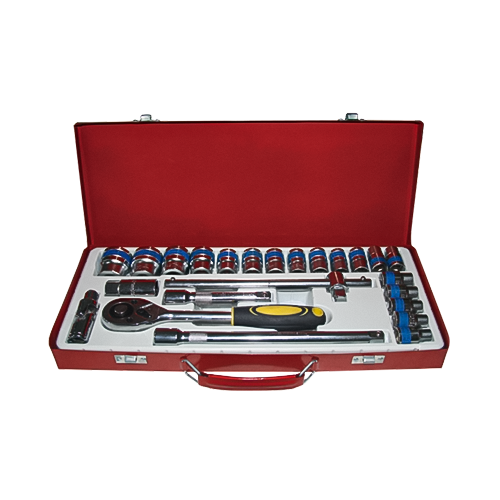
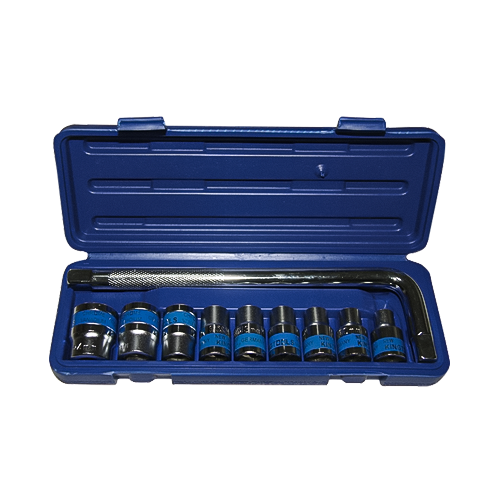
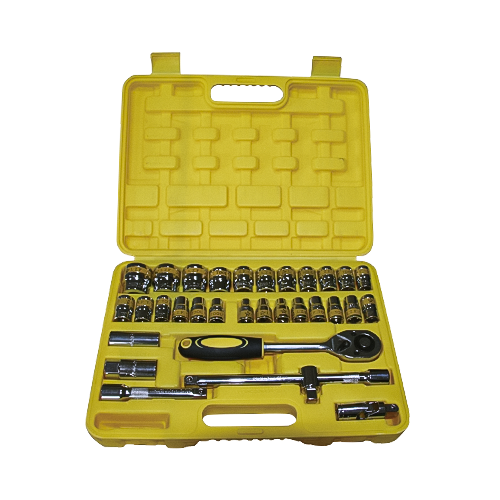
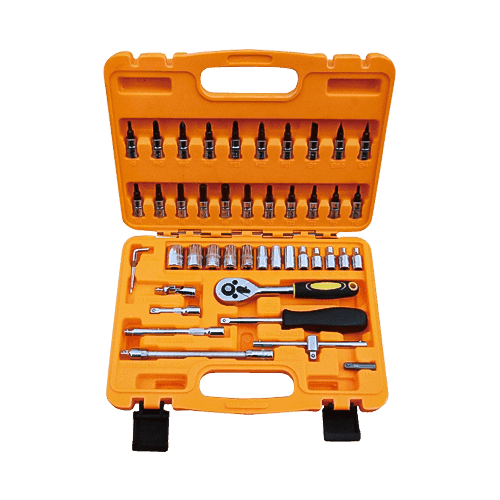
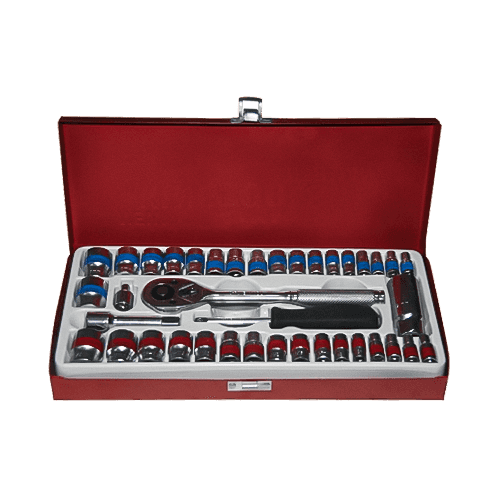
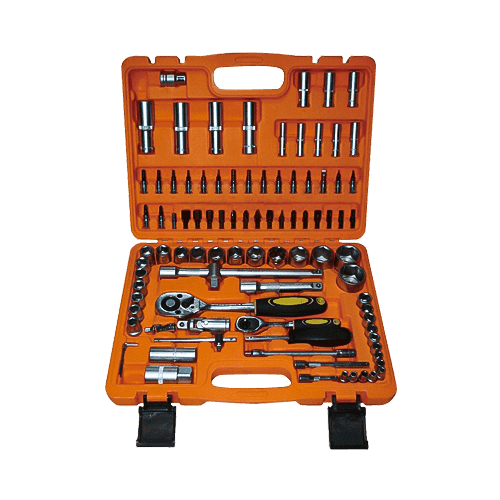
A tool is only effective if it can be located quickly and maintained in peak condition. The 1/2” DR. DEEP DRIVE SOCKET WRENCH TOOL is not just sold as a loose component; it is part of a system designed for workplace efficiency.
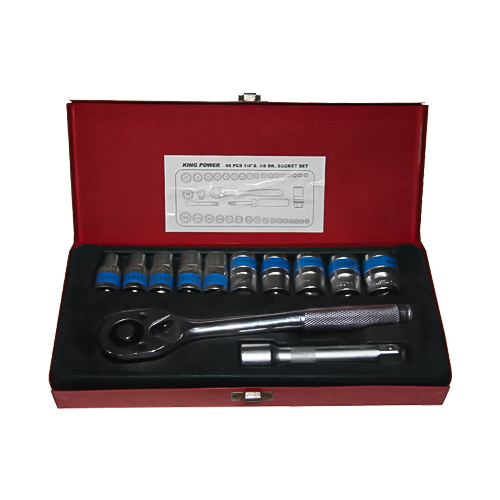
In a busy workshop, space is at a premium. The streamlined design fits neatly on workbenches and tool racks, allowing technicians to maximize their available square footage. The low-profile nature of the carrying case or the organized rail system ensures that the 1/2” DR. DEEP DRIVE SOCKET WRENCH TOOL does not become an obstacle. This spatial efficiency is particularly beneficial for mobile mechanics or those working in service vans where every inch of shelving must be utilized effectively.
When a tool fits neatly on workbenches and tool racks, it eliminates the time wasted searching through "junk drawers" of mismatched sockets. The clear marking on the deep-drive sockets allows for instant identification of the required size. By maintaining a clean, streamlined presence, the tool set promotes a better workflow, allowing the user to focus on the mechanical task at hand rather than the logistics of their toolbox.
While the sockets themselves are built to last, the packaging and storage cases of many tools often fail long before the metal components do. The 1/2” DR. DEEP DRIVE SOCKET WRENCH TOOL addresses this through localized reinforcement.
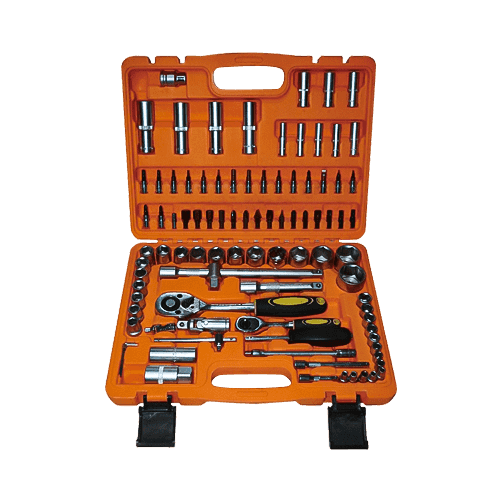
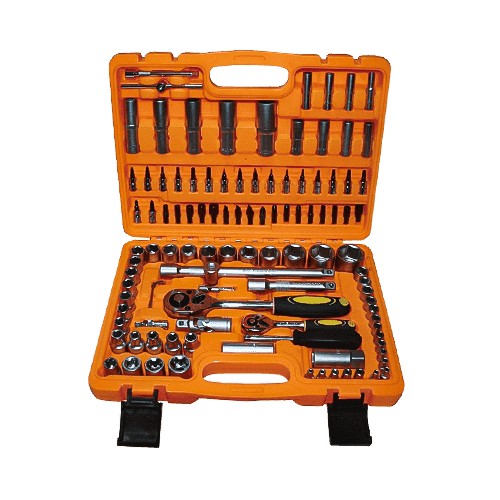
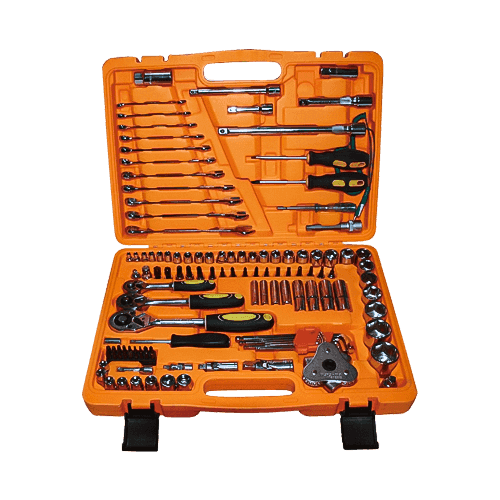
Frequent opening and closing of a tool case can cause the plastic hinges and latches to fatigue and eventually snap. To prevent this, reinforced metal inserts in the case prevent wear from frequent opening. These metal components provide a pivot point that is much more resilient than traditional all-plastic designs. For a professional who might open their kit twenty times a day, these reinforced metal inserts are the difference between a secure kit and a broken box that spills tools across the floor.
A damaged case leads to lost sockets. By ensuring the case stays functional through the use of reinforced metal inserts, the entire 1/2” DR. DEEP DRIVE SOCKET WRENCH TOOL set remains protected from moisture and dust over many years. This commitment to durability in the storage solution reflects the high quality of the deep-drive wrench itself, ensuring that the tool remains a one-time investment for the user.
Standard sockets often bottom out when they encounter a long bolt or a nut situated deep within a housing. This is where the "Deep Drive" geometry becomes indispensable.
In modern automotive engineering, many bolts are placed inside narrow channels or at the end of long studs (such as spark plugs or bumper mounts). The 1/2” DR. DEEP DRIVE SOCKET WRENCH TOOL provides the necessary depth to reach these fasteners without the need for multiple wobbly extensions. The extra internal depth ensures that the socket can fully seat on the bolt head, which directly reduces the risk of stripped screws and damaged fasteners caused by partial engagement.
While primarily designed for hand ratchets, the deep-walled construction of the 1/2” DR. DEEP DRIVE SOCKET WRENCH TOOL provides an inherent strength that thinner sockets lack. The extra material in the "deep" section of the socket acts as a heat sink and provides structural reinforcement against high torque loads. This ensures that even when a technician applies maximum force, the socket maintains its shape, further protecting the fastener from deformation.
Mechanical work is physically taxing, and tool design must account for the human factor to prevent injury and fatigue.
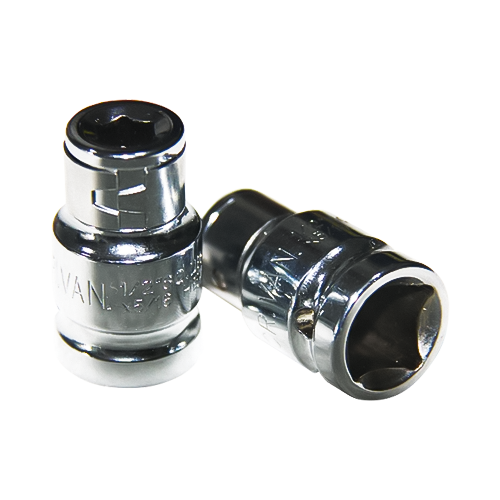
The exterior of the 1/2” DR. DEEP DRIVE SOCKET WRENCH TOOL often features knurling or a specialized texture. This allows for "finger-tightening" or loosening in greasy conditions, preventing the tool from slipping out of the hand. When a tool is easy to grip, the user is less likely to apply force in an awkward manner that could lead to a slipped wrench and subsequent hand injury.
Whether finished in mirror chrome or black phosphate, the 1/2” DR. DEEP DRIVE SOCKET WRENCH TOOL is designed to resist the corrosive effects of oils, brake fluid, and humidity. A corroded socket becomes abrasive, which increases the likelihood of creating damaged fasteners. By maintaining a smooth, rust-free surface, the tool slides onto bolts with ease, preserving the integrity of the hardware and ensuring that the streamlined design remains visually professional on the workbench for years to come.
 +86 137 360 111 56
 Lianxing Village, Dongguan Street, Shangyu District, Shaoxing City, Zhejiang Province